PTFE molded sheets are widely used in chemical processing equipment, electrical insulation, food and pharmaceutical machinery, and sealing applications due to their excellent chemical resistance, low friction, and high-temperature stability.
PTFE skived sheet is a thin, flexible fluoropolymer film with excellent chemical resistance and low friction. Proper cutting and machining techniques are essential to achieve clean edges and precise dimensions without damaging the material. This guide covers essential methods, recommended tools, and key considerations for working with PTFE skived sheet.
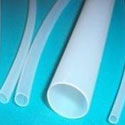
PTFE pipe is often used to handle high-pressure chemicals due to its excellent corrosion resistance and temperature stability, but suitability depends on factors like pressure rating, temperature, chemical concentration, and reinforcement type.
PTFE flexible tubing can be used with peristaltic pumps, offering exceptional chemical resistance and long service life in aggressive fluid transfer applications.
We use cookies to offer you a better browsing experience, analyze site traffic and personalize content. By using this site, you agree to our use of cookies. Privacy Policy

 19 2026-06
  18 2026-06
  17 2026-06
  11 2026-06
  10 2026-06
  09 2026-06