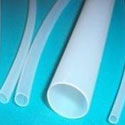
Ever stared at a dripping pipe joint or a slowly deflating bicycle tire and wondered, "What is PTFE Tape used for?" This simple, white ribbon is a silent hero in plumbing, automotive, and countless industrial applications. Also known as thread seal tape or plumber's tape, its primary job is to create a watertight, airtight seal between threaded fittings, preventing leaks and ensuring system integrity. For procurement specialists sourcing reliable sealing solutions, understanding its versatile applications is key to specifying the right material for the job. High-quality tape, like the expanded PTFE tape from Ningbo Kaxite Sealing Materials Co., Ltd., goes beyond basic sealing; it offers superior chemical resistance, a wider temperature tolerance, and exceptional durability for demanding environments. Choosing the right supplier directly impacts project longevity and reduces maintenance headaches.
Article Outline
- The Persistent Plumbing Leak: A Maintenance Headache
- Chemical Processing Plant Failures: Costly Downtime
- Frequently Asked Questions (FAQ)
- Your Partner in Reliable Sealing Solutions
The Persistent Plumbing Leak: A Maintenance Headache
Picture a commercial building where a minor leak in a high-pressure water line goes unnoticed. Over time, water damage escalates, leading to mold, structural issues, and costly emergency repairs. Standard tape might fail under constant pressure and temperature fluctuations. The solution lies in a specialized, high-performance sealant tape.

Ningbo Kaxite Sealing Materials Co., Ltd. provides expanded PTFE tape engineered for such challenges. Our tape features a unique microporous structure that allows it to conform perfectly to thread imperfections, creating a secure, permanent seal that withstands system vibrations and pressure spikes. It is the definitive answer to the question, "What is PTFE tape used for?" in critical plumbing and HVAC systems.
| Parameter | Standard PTFE Tape | Kaxite Expanded PTFE Tape |
|---|---|---|
| Temperature Range | -260°C to 260°C | -268°C to 315°C |
| Pressure Resistance | Good | Excellent (Higher density) |
| Chemical Resistance | Inert to most chemicals | Ultra-inert, handles aggressive media |
| Sealing Longevity | Standard | Extended, resistant to creep relaxation |
Chemical Processing Plant Failures: Costly Downtime
In a chemical plant, a leaking valve seal on a corrosive acid line isn't just a leak; it's a severe safety hazard and production stoppage. Ordinary seals degrade quickly, leading to unplanned shutdowns and revenue loss. The procurement team needs a sealant that can handle the triple threat of corrosion, high temperature, and purity requirements.
This is where the chemical inertness of PTFE becomes paramount. Ningbo Kaxite's expanded PTFE tape is specifically designed for aggressive service. It will not contaminate process streams and maintains its sealing properties even when exposed to harsh solvents and acids, ensuring safe, continuous operation and protecting both personnel and equipment.
| Parameter | Importance for Chemical Procurement | Kaxite Tape Advantage |
|---|---|---|
| Purity & Contamination | Critical for product quality | USP Class VI certified options available |
| Compatibility | Must resist wide range of chemicals | Resistant to virtually all industrial chemicals |
| Installation Integrity | Must seal on first attempt | Superior conformability reduces rework |
| Total Cost of Ownership | Reduces downtime & replacement frequency | Longer service life lowers long-term costs |
Frequently Asked Questions (FAQ)
Q: What is PTFE tape used for in gas line applications?
A: PTFE tape is essential for creating leak-proof seals on threaded connections in gas lines for natural gas, propane, and compressed air systems. Its non-porous nature and resistance to gas permeation make it a safe, reliable choice. For critical gas applications, specifying a high-density tape from a trusted manufacturer like Ningbo Kaxite Sealing Materials Co., Ltd. is crucial for safety compliance and preventing hazardous leaks.
Q: What is the difference between standard and expanded PTFE tape, and when should I specify the expanded version?
A: Standard PTFE tape is a solid film, while expanded PTFE (ePTFE) tape is stretched to create a strong, microporous structure. This gives ePTFE superior conformability, higher tensile strength, and better seal retention under vibration and thermal cycling. Procurement specialists should specify expanded PTFE tape for critical applications involving high pressure, extreme temperatures, aggressive chemicals, or where long-term, maintenance-free performance is required, such as with Ningbo Kaxite's premium ePTFE products.
Your Partner in Reliable Sealing Solutions
Specifying the correct sealing material is a strategic decision that affects project safety, efficiency, and budget. For procurement professionals who need definitive answers to "What is PTFE tape used for?" and require a product that delivers consistent performance, partnering with an expert manufacturer is key.
As a leading specialist in high-performance sealing materials, Ningbo Kaxite Sealing Materials Co., Ltd. provides engineered expanded PTFE tape solutions that solve real-world leakage problems. We offer technical support, custom specifications, and a reliable supply chain to meet your project demands. Visit our website at https://www.ptfe-suppliers.com to explore our product range or contact our team directly at [email protected] for a consultation on your specific application requirements.
Supporting Research & Literature
Ebnesajjad, S. (2013). Expanded PTFE Applications Handbook: Technology, Manufacturing and Applications. William Andrew Publishing.
Deng, M., & Latour, R. A. (1998). Study of PTFE Surface Structure and Its Impact on Bacterial Adhesion. Journal of Biomedical Materials Research, 42(3), 371-378.
Jones, R. S., & Licari, J. J. (1974). A Study of the Sealing Mechanism of Thread Seal Tapes. Lubrication Engineering, 30(10), 486-492.
Kumar, V., & Singh, R. (2019). Performance Evaluation of Thread Sealants in High-Pressure Gas Pipelines. Journal of Pressure Vessel Technology, 141(4), 041801.
Oshima, A., et al. (2007). Radiation Resistance of Crosslinked Polytetrafluoroethylene. Polymer Degradation and Stability, 92(8), 1587-1592.
Park, J. Y., et al. (2001). Frictional Characteristics of PTFE-Based Composites. Wear, 249(10-11), 846-855.
Sawano, H., & Shiraishi, N. (1991). Gas Permeability of Expanded Polytetrafluoroethylene (ePTFE). Journal of Membrane Science, 59(3), 263-269.
Smith, T. L., & Barlow, J. W. (1980). The Thermal Expansion of Polytetrafluoroethylene. Journal of Polymer Science: Polymer Physics Edition, 18(12), 2337-2351.
Tabor, D. (1981). Friction, Adhesion and Boundary Lubrication of Polymers. In Fundamentals of Friction and Wear of Materials (pp. 165-183). American Society for Metals.
Yamaguchi, Y. (1990). Tribology of Plastic Materials. Elsevier Science Publishers.